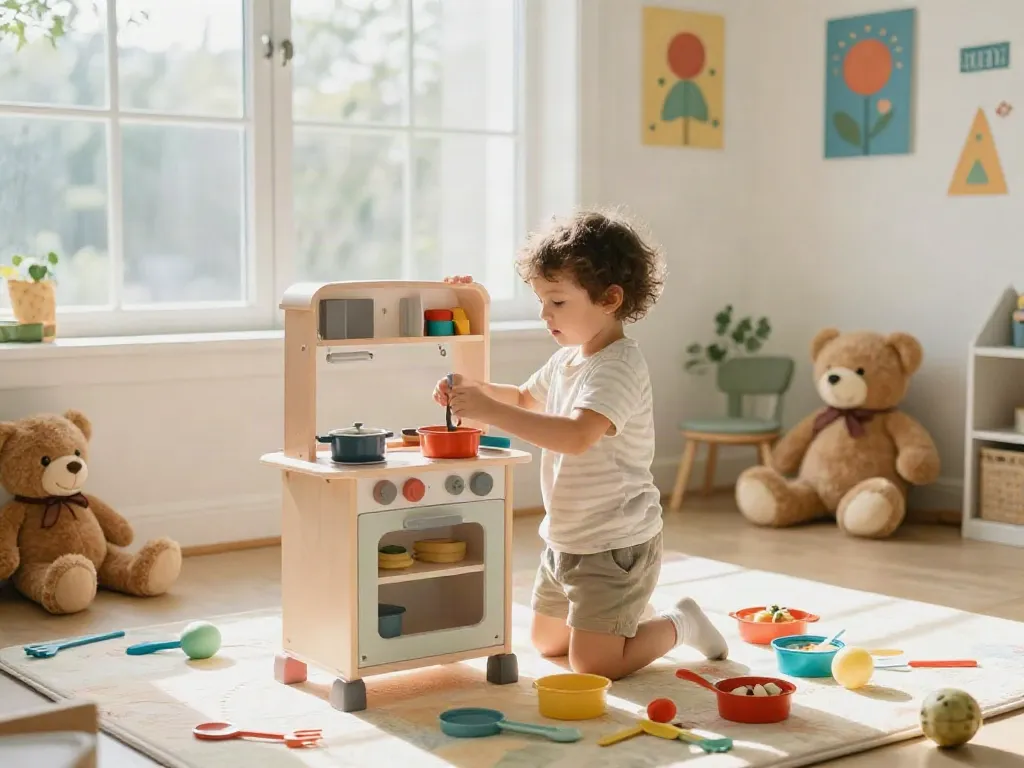
Understanding the Appeal of Toy Kitchens
Every generation of children shares a common fascination with role-playing and imaginative play, a tendency perfectly encapsulated by the popularity of toy kitchen sets. These playsets provide a platform for children to mimic everyday activities in a fun and engaging way, which not only nurtures creativity but also lays the groundwork for practical life skills.
Why Are Toy Kitchens Popular Among Children?
The appeal of toy kitchens can be traced back to their ability to engage children's imaginations. From toddlers to early school-aged children, kids are drawn to the idea of cooking, hosting, and creating their own culinary masterpieces. The influence of parents, who often prepare meals in the kitchen, further enhances this allure, as children want to emulate their caregivers' actions. Additionally, these play kitchens come in various styles and themes, making them adaptable to different preferences and encouraging group play.
Benefits of Pretend Play with Toy Kitchens
Pretend play is crucial for a child’s social and emotional development. Through interacting with a toy kitchen, children learn valuable skills such as sharing, cooperation, and communication as they engage in role-playing scenarios. Moreover, it enhances cognitive development by encouraging decision-making and problem-solving. For example, children learn to plan meals, manage what ingredients they need, and even consider nutritional aspects, all while absorbing the fun of imaginative play.
Choosing the Right Toy Kitchen for Different Ages
When selecting a toy kitchen, it’s important to consider the target age group. For toddlers, sets with fewer small parts and simpler design layouts are ideal, while older children might enjoy more complex kitchens with interactive features such as lights and sounds. Additionally, considering the interests of your child can help in picking a set that resonates with them, whether they are budding chefs or prefer more of a café-style setup.
Types of Toy Kitchens Available in 2026
Wooden vs Plastic Toy Kitchens
In 2026, the debate between wooden and plastic toy kitchens continues. Wooden kitchens are often viewed as more durable and aesthetically pleasing, boasting a timeless quality that many parents favour. They are also less likely to contain harmful chemicals often found in plastic products. On the other hand, plastic kitchens typically offer more features at a lower price point and are often designed with vibrant colours that appeal to children. The choice ultimately boils down to budget, personal preference, and safety considerations.
Features to Look for in a Toy Kitchen Set
When purchasing a toy kitchen, certain features can greatly enhance the play experience:
- Size: Ensure the kitchen set fits the available play area and accommodates multiple children.
- Accessories: Look for sets that include pots, pans, and play food items to enrich the play experience.
- Realistic Elements: Kitchens with interactive features such as working knobs, lights, and sounds can make playtime more engaging.
- Storage Options: A kitchen with storage can help children learn to keep their play area tidy.
Brand Comparisons: Popular Toy Kitchen Options
Several brands have made a name for themselves in the toy kitchen market, with options for various budgets and preferences. Brands like Melissa & Doug are known for their high-quality wooden kitchens, while Little Tikes provides a range of options that are often more affordable. Conducting research and reading product reviews can give insights into which brands consistently deliver quality and durability.
Cost Breakdown of Toy Kitchens in 2026
Average Price Ranges for Different Styles
In 2026, the price of toy kitchens varies widely depending on material, size, and brand. Basic plastic kitchens can start around £30, while more elaborate wooden kitchens can range from £100 to £300 or more. It's essential to determine your budget before shopping so you can narrow down the options that are right for your family.
Factors Influencing Toy Kitchen Prices
Several factors contribute to the pricing of toy kitchens, including:
- Material: Wooden kitchens typically cost more due to the higher quality of materials and longevity.
- Brand Reputation: Established brands may charge a premium for their products, which often translates to better quality.
- Features: Sets with interactive elements tend to be priced higher, reflecting the additional manufacturing costs.
How to Get the Best Value for Money
To ensure you get the best value for your investment, consider purchasing during sales or seasonal promotions. Comparing prices across multiple retailers and checking for customer reviews can also help. Additionally, investing in a kitchen with a sturdy build means fewer chances of needing replacements in the near future.
Safety Considerations for Toy Kitchens
Safety Standards for Children’s Toys
Safety is paramount when selecting toys for children. In the UK, toy kitchens must adhere to strict safety standards, such as EN71, which regulates the use of materials and design features, ensuring they are safe for children. Before purchase, look for labels or certifications that indicate compliance with safety standards.
Choosing Non-Toxic Materials When Buying a Toy Kitchen
When selecting a toy kitchen, opt for products made from non-toxic materials. Wooden kitchens sourced from sustainable forests and painted with non-toxic finishes are often the best choice. For plastic options, check that they are BPA-free and do not contain harmful chemicals that could pose risks to children.
Maintenance Tips for Safe Play
To maintain a safe play environment, regularly inspect the toy kitchen for loose parts or sharp edges. Cleaning the kitchen frequently with appropriate child-safe products will prevent the build-up of germs and ensure the toys remain in good condition for longer.
Future Trends in Toy Kitchens
Innovative Features to Expect in Toy Kitchens
The future of toy kitchens is set to incorporate even more innovative features, such as augmented reality (AR) capabilities that allow children to enhance their imaginative play with digital elements. Furthermore, manufacturers are increasingly including educational components, such as cooking lessons or nutritional information, to integrate learning with fun.
Eco-Friendly Trends in Toy Manufacturing
As sustainability becomes a larger concern, many brands are focusing on eco-friendly manufacturing processes. Expect to see more kitchens made from recycled materials, as well as designs that are fully recyclable at the end of their lifespan. This shift not only benefits the environment but also teaches children the importance of sustainability from a young age.
Forecasting Changes in Kids’ Play Preferences
With the rise of technology, children’s preferences are evolving. Future toy kitchens may also incorporate tech elements, such as app integration or voice-activated features, allowing for interactive cooking experiences. Observing current trends in play patterns can provide insights into what kids will likely desire in the coming years.
What age is appropriate for a toy kitchen?
Generally, toy kitchens are suitable for children aged three and older, as they typically feature small parts that pose a choking hazard for younger children. However, various sizes and styles cater to different age groups, so always check age recommendations on packaging.
Are wooden toy kitchens better than plastic ones?
While wooden kitchens often offer durability and aesthetic appeal, plastic kitchens tend to be more interactive and budget-friendly. The ideal choice depends on the specific needs and preferences of your child.
How can I ensure my child's toy kitchen is safe?
To ensure safety, purchase kitchens that meet recognised safety standards, check for certifications, and choose non-toxic materials. Regular maintenance and inspection also play a vital role in keeping the play environment safe.
What should I look for when purchasing a toy kitchen?
Look for features such as durability, safety certifications, ease of assembly, and the inclusion of accessories. Price and brand reputation are also key factors to consider for long-term satisfaction.
How can toy kitchens aid in child development?
Toy kitchens promote imaginative play, social interaction, and cognitive skills by allowing children to mimic real-life scenarios. These playsets also encourage creativity as kids invent their own recipes and serving ideas.